• Krav Maga Self-Defence

    Real World Self-Defence Training

Krav Maga Self Defence

Krav Maga is a modern self-defence system developed for close-range combat and real-world violence. Originating in Israel, it was designed to address the practical realities of personal safety rather than sporting competition or traditional martial arts performance. The term Krav Maga translates from Hebrew as “contact combat,” reflecting its focus on direct, efficient responses to physical threats.

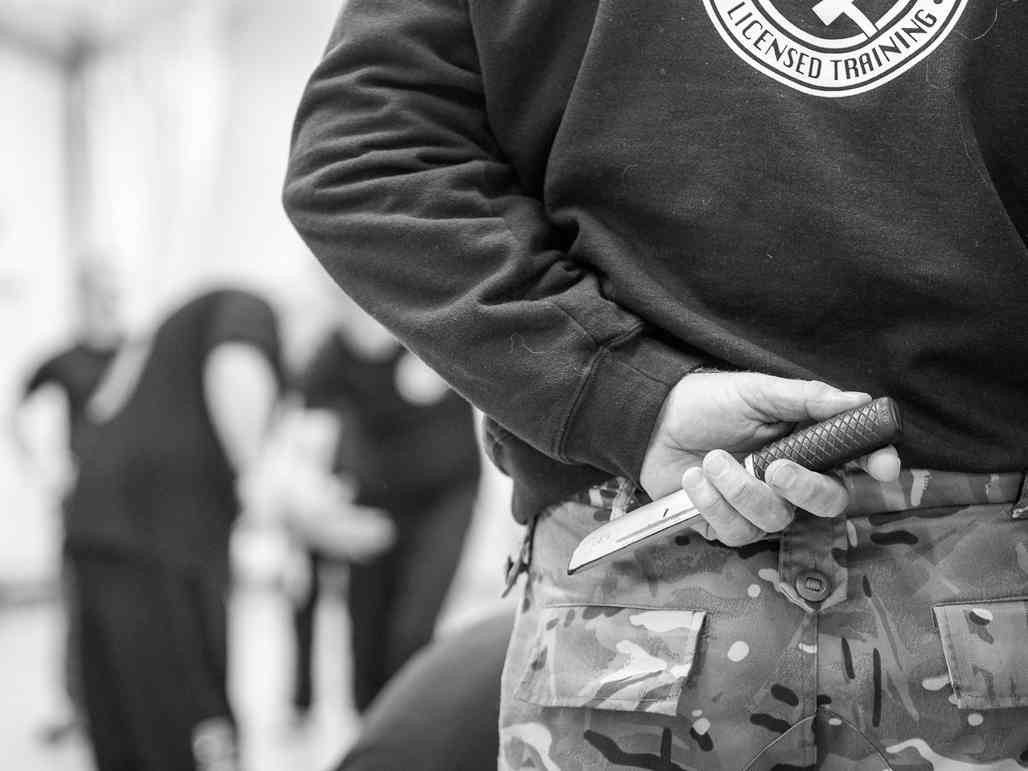
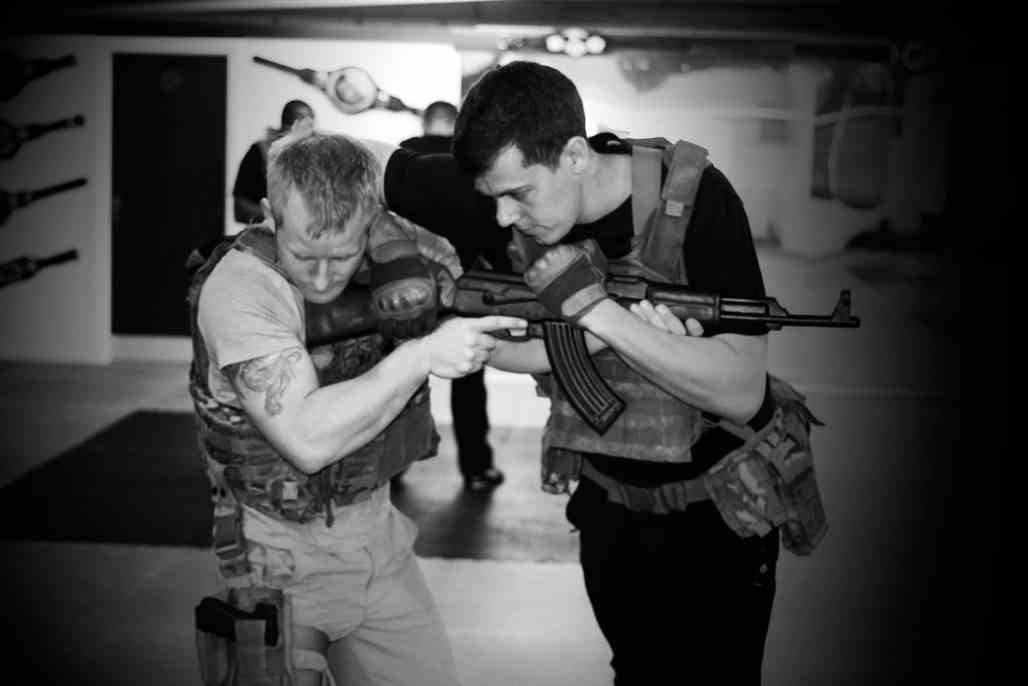
Unlike combat sports, Krav Maga prioritises threat awareness, rapid decision-making, and functional techniques that can be applied under stress. It draws from multiple disciplines – including striking, wrestling, and grappling – but adapts them specifically for civilian self-protection, law enforcement, and military contexts. Training emphasises simplicity, adaptability, and effectiveness in unpredictable situations, including defence against common assaults and weapons.
What is Krav Maga?

Krav Maga is a self-defence method designed to be effective in realistic violent encounters, not controlled sporting environments. It was originally created to take the most practical techniques from boxing, wrestling, and other combat systems and make them quickly teachable, emphasising instinctive responses under pressure.

This system is structured so that people without prior martial arts experience can develop usable self-protection skills, with progression over time allowing deeper understanding and adaptation.

Origins and Development

Krav Maga was developed by Hungarian-born Israeli martial artist Imi Lichtenfeld in the mid-20th century. After defending Jewish communities against street violence in Europe, Lichtenfeld emigrated to what would become Israel and began formalising his combat experience into a structured system for the Israeli Defence Forces (IDF).

The system was taught to soldiers and adapted over decades for law enforcement and civilian contexts, retaining its focus on practicality and real-world effectiveness rather than tradition or competition.

Core Principles of Krav Maga

Krav Maga is built around core principles that prioritise survival and effectiveness. These include responding with techniques that are fast, direct, and suited to the situation at hand, rather than relying on complex or aesthetic movements.

The system places emphasis on taking the initiative from the aggressor, neutralising threats quickly, and using instinctive responses under stress. Techniques are drawn from multiple combat traditions (strikes, takedowns, escapes) and adapted to be instinctive and adaptable.

Self Defence Bristol Classes Speedwell

How Krav Maga Is Trained

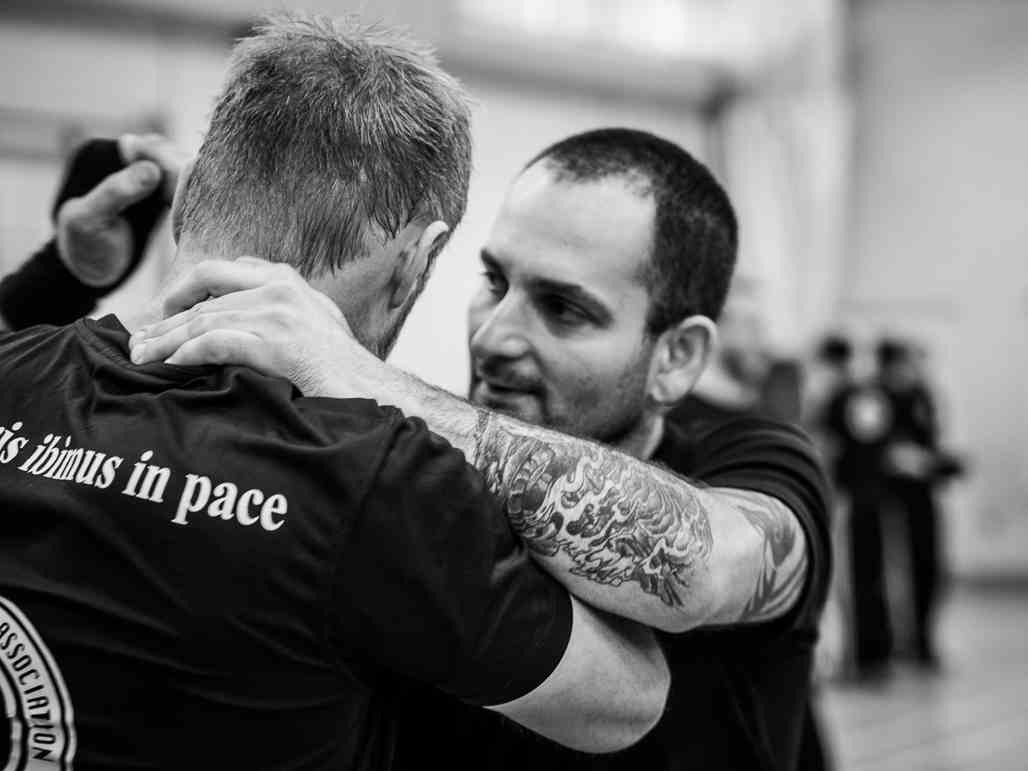
Krav Maga training typically combines striking, grappling, escaping from holds, and defence against a range of attack scenarios. The curriculum is not a fixed set of patterns, but a functional framework that encourages adaptability and effective responses to unpredictable threats.

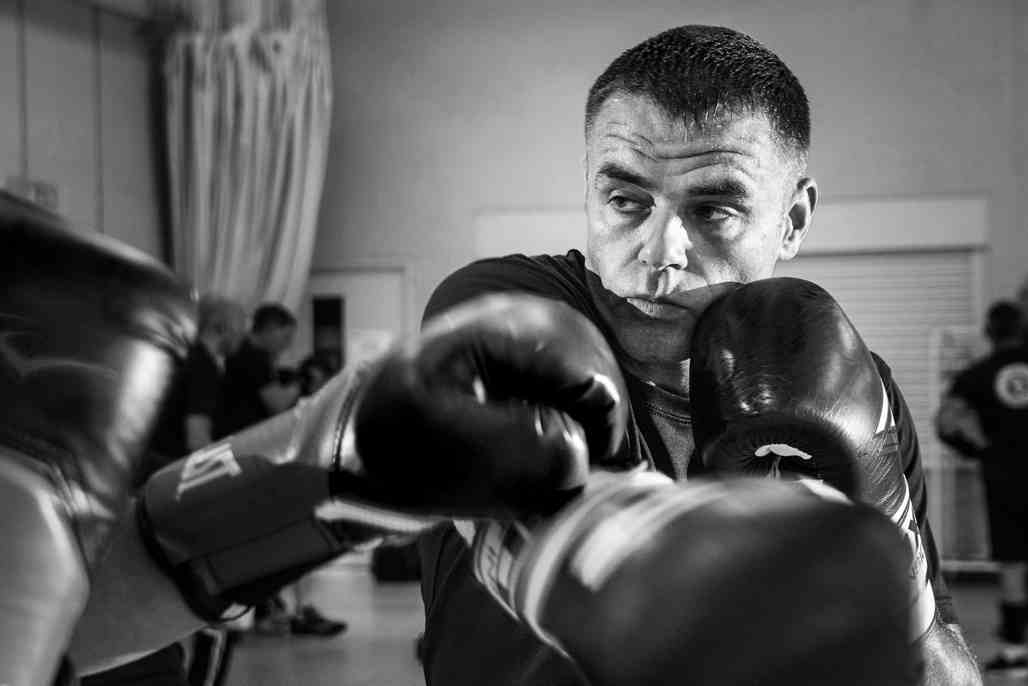
Training often includes drills under pressure and against resisting partners to simulate realistic conditions rather than perfect technique alone. It integrates elements from striking arts like boxing and wrestling styles into practical self-defence drills focused on dealing with the immediate threat.

Long-Term Practice and Suitability

Over long-term practice, Krav Maga training can contribute to sustained physical health, including improved strength, coordination, and movement efficiency. This reflects the way the system emphasises functional movement and repeated exposure to varied scenarios, rather than isolated fitness routines.

Krav Maga is practised by adults from many backgrounds – some with no prior martial arts experience – who seek practical self-defence understanding and the ability to apply it realistically. The focus remains on usable skills and adaptability rather than tradition or competition.

The Sunday Times


“The most realistic self defence system in the UK today”

Combat Magazine

“It (Krav Maga) has more self defence cred than any other system we know about – and we know quite a bit about the subject!”

GQ Magazine

Best in the World for self defence. It is totally practical, no flashy kicks or great spiritual angle.